

October 16, 2026
Phone battery sample approval checklist for wholesale buyers
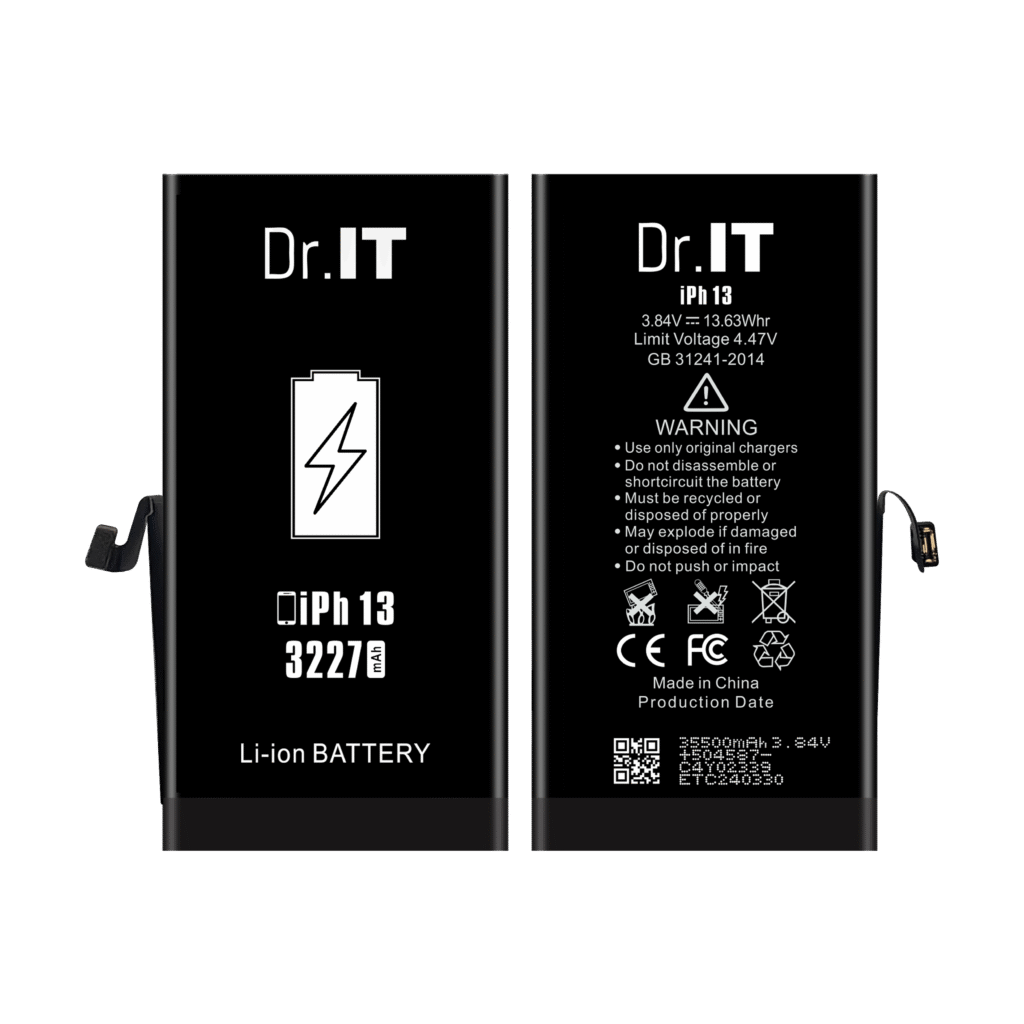
Approve a wholesale phone battery sample against a written model specification, a traceable evidence record and a clear decision. Use the checklist below to keep the approved sample, label and subsequent purchase order tied to the same product version.
This guide is for repair businesses, distributors and private-label buyers. It addresses sample approval before a bulk order; use our separate receiving checklist when an order arrives.
1. Identify the sample before reviewing performance
Give each sample a reference that can be used in photographs, supplier discussions and the purchase order. Record the supplier product code as well as the compatible phone model. A device-family name alone is not enough to distinguish standard and high-capacity variants.
- Supplier, product reference and sample ID.
- Compatible device model and the configuration being proposed.
- Capacity, nominal voltage and whether an energy figure is printed or calculated.
- Connector, flex layout, dimensions and included items to be confirmed.
- Label, packaging and specification revisions.
- Required sample evaluation, documents and outstanding questions.
For a mixed order, create one record per battery SKU. Our mixed-model order list helps keep quantities and model references separate.
2. Copy this sample approval sheet
Use the following table as a purchasing worksheet. Fill in the evidence and decision columns for the actual sample; blank fields are open actions, not a pass.
| Check | Agreed specification | Evidence to retain | Result / open action |
|---|---|---|---|
| Identity | SKU, device model, capacity variant, sample ID | Quotation and sample photos | Record exact revision |
| Capacity and voltage | Confirmed mAh and nominal V | Written specification; any applicable measurement report | Separate label data from test results |
| Physical configuration | Dimensions, flex, connector, included items | Agreed reference and qualified review record | Resolve mismatches before approval |
| Device behavior | Required functions for the intended device | Device/software reference, reviewer, date and observations | Record what was actually evaluated |
| Artwork and packaging | Model, figures, barcode and artwork revision | Approved label and packed-sample photos | Close every identified discrepancy |
| Documents and commercial terms | Requested documents, quantities, destination and agreed terms | Model-specific documents and written quotation | Confirm availability and scope |
| Final decision | Approved, conditional approval or hold | Approver, date, sample ID and remaining actions | Identify what may proceed |
This is a record template, not a laboratory test procedure or evidence that a battery has passed. Assign technical evaluation to qualified personnel and agree the methods and acceptance criteria for the specific product.
3. Separate confirmed specifications from measured results
A printed capacity, a calculated energy figure and an independently measured result describe different evidence. Keep separate fields for each rather than copying the largest number into every column.
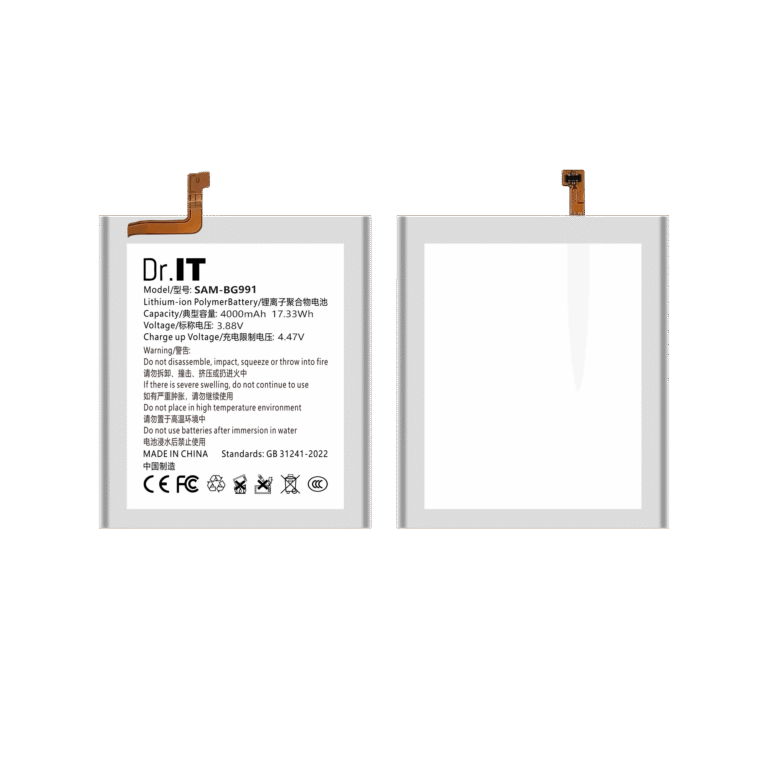
These two DoctorIT catalogue examples show how to fill the specification portion of the sheet. The capacity and nominal voltage below are owner-confirmed values for these exact product references.
| Product reference | Confirmed capacity | Nominal voltage | Calculated nominal energy |
|---|---|---|---|
| iPhone 13 standard-capacity replacement battery | 3227 mAh | 3.84 V | 12.39 Wh |
| DoctorIT BG991 replacement battery | 4000 mAh | 3.88 V | 15.52 Wh |
The calculation is mAh ÷ 1000 × nominal V, rounded for display. It does not establish tested capacity, usable device runtime, cycle life or certification. If a measurement is needed for approval, retain its method, conditions, date and sample reference separately.
4. Resolve label differences before signing off
If the sample label, product photograph and quotation disagree, list the exact conflicting fields and request one written specification. Record the corrected artwork revision as an open action; do not silently treat the old label as approval of a different capacity.
The linked iPhone 13 standard-capacity page also retains original photography and explains a rear-label discrepancy. Its authoritative capacity is 3227 mAh at 3.84 V. This makes it important to distinguish the confirmed product specification from a photograph that still carries an older marking.
Private-label buyers should approve the battery label and outer packaging as separate records, each tied to the same SKU. See our private-label project brief for the information to prepare.
5. Make the decision specific
- Approved: state the reviewed product version, supporting evidence and the next purchasing step that is authorized.
- Conditional approval: name every remaining action, the person responsible and the evidence required. State whether further purchasing is on hold.
- Hold: use this when identity, specifications, required evidence or the proposed configuration remain unresolved.
Do not convert a visual check into a claim of electrical testing. Likewise, an approved label does not prove that the supplied batch matches the reviewed sample. Retain the sample reference and agreed change-notification requirements with the order.
6. Attach the record to the bulk-order request
Send the model list, quantities per model, destination, sample references, confirmed specifications and packaging requirements together. Identify unresolved questions explicitly. Prices, minimum quantities, availability, lead times and after-sales terms should be confirmed in the written quotation for that order.
Browse iPhone-compatible batteries or Samsung-compatible batteries, then review DoctorIT wholesale supply. For a branded packaging project, use the OEM and private-label enquiry page.
A fitment check belongs in the sample record, so a reorder matches the configuration that was approved — the fitment checklist shows what to capture.
Prepare a sample or wholesale enquiry
Send DoctorIT your battery references, sample requirements, quantities and destination. Add your approval sheet or list of open questions so the proposed product can be discussed against a clear specification.
A claim is only as strong as the approved configuration it is measured against, so the returns procedure guide explains where the sample approval record sits in that chain.
Once a sample has been approved, the next order is usually a copy rather than a re-typed list; the repeat order guide sets out what to standardise so that stays true.